
At HPS Advanced Dental Care, we understand that the stress and anxiety caused by being told you need a root canal can be daunting. Even when symptoms of infection or discomfort are evident, many hesitate to undergo treatment due to concerns over discomfort, cost, or uncertainty about the procedure. One question frequently raised at our dental practice is whether waiting is safe and how long someone can wait without serious consequences.
Patients in Shelby Township, Macomb Township, and Rochester Hills often ask what root canal treatment entails and what the potential consequences of delaying it for any period can be for their oral and overall health. While each situation varies significantly, understanding what root canal therapy offers as an answer may help patients make informed decisions regarding both oral and overall wellness.
Why Is Root Canal Treatment Suggested in the First Place?
Root canal therapy may be necessary when the inner portion of a tooth, known as its pulp, becomes infected or severely inflamed. The pulp contains nerves, blood vessels, and connective tissue, which help develop and maintain teeth; when bacteria reach this area through decay, cracks, trauma, or multiple dental procedures, an infection may result.
Once a pulp becomes infected, your body cannot heal it on its own. Antibiotics may temporarily reduce symptoms, but do not treat the source of infection in your tooth. Root canal therapy aims to remove infected tissues, thoroughly clean the inner structures of your tooth, and seal it to prevent reinfection.
Reasons Why Symptoms May Reappear and Persist
One reason patients delay root canal treatment is that pain does not always remain constant. Pressure builds inside a tooth until nerve tissue begins to die off, temporarily lessening or eliminating discomfort. Although this may feel like progress in fighting an infection, it usually indicates worsening rather than resolution.
At this stage, bacteria can spread beyond the tooth into nearby bone and soft tissue. Even without pain being experienced at first, infections often continue to spread without anyone knowing. Over time, this could lead to more serious consequences.
How Long Can You Safely Delay a Root Canal Procedure?
There is no one-size-fits-all timeline for treating root canal infections; some infections progress quickly, while others develop gradually. Once a dentist has diagnosed the need for root canal therapy, delaying treatment is likely only to increase the risk rather than provide benefits.
Due to scheduling or medical concerns, delays of several days may be unavoidable; however, delaying treatment for weeks or months allows bacteria to grow unchecked and spread further, increasing the risk of complications that can affect not only the tooth but also the bone structure and overall health.
What Are My Options When My Root Canal Appointment Is Delayed?
Delaying treatment allows infection to progress and may lead to an abscess. Abscesses can be painful and lead to facial, jaw, or neck swelling as they spread. In severe cases, they require emergency attention to prevent further spread.
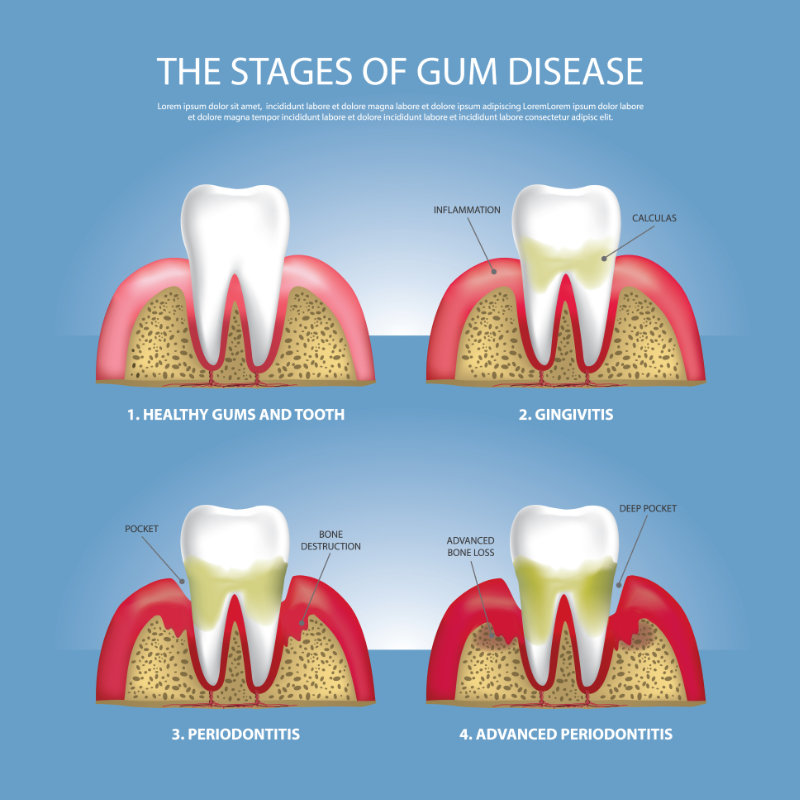
As infections progress, they can also erode the bone supporting your tooth, leaving only extraction as an option. Preserving natural tooth structures is always preferable when possible, so timely treatment is crucial to prevent this.
Untreated dental infections may, in rare but severe cases, spread beyond the mouth and enter the bloodstream, potentially leading to systemic infection and requiring immediate treatment. While such scenarios are uncommon, this shows why dental infections should never be ignored.
Understanding Root Canal Procedure
Uncertainty about the procedure itself can also delay treatment, yet modern root canal therapy is far more comfortable and predictable than its reputation would suggest. Most procedures take place under local anesthesia, which numbs the area while minimizing discomfort during treatment.
Root canal treatments involve carefully accessing the inner structure of a tooth to remove infected pulp tissue, thoroughly cleaning its internal canals, and disinfecting and sealingthe space to prevent future bacterial growth. Once done, crowns are often added to the tooth for additional strength and protection against further disease.
Root canal treatment aims not only to alleviate discomfort but also to protect natural teeth from further infection and degradation.
Why Antibiotics Alone Do Not Provide Solutions
Many patients receive antibiotics before root canal therapy to temporarily reduce swelling or discomfort; this can give a false sense of resolution, as antibiotics don’t remove infected tissue inside the tooth and can often worsen symptoms once the medication is discontinued.
Delays in receiving definitive treatment after antibiotics are used allow bacteria to reorganize, making the infection harder to manage in the future. Antibiotics should be used only as a short-term aid, not as a replacement for root canal therapy when needed.
Cost, Comfort, and Long-term Outcomes of Root Canal Treatment
Cost is another primary consideration. While investing in root canal therapy is an investment, postponing treatment could lead to higher expenses, as emergency visits, additional procedures, or tooth replacement after extraction often cost more. It’s usually beneficial to address problems early rather than risk having to treat later.
At first glance, earlier treatment may be less traumatic for the patient. Addressing infections promptly can reduce inflammation and minimize complications, making the overall process simpler and smoother for everyone involved.
Wellness-Based Root Canal Care
At HPS Advanced Dental Care, our dental treatment is patient-centric and wellness-driven, including careful evaluation, open communication, and tailored plans designed to support both oral health and overall well-being.
At our clinic, we understand that anxiety, uncertainty, and past experiences may leave patients feeling uncertain or intimidated by treatment decisions. To that end, our goal is to offer education and reassurance so they feel informed and secure about their choices.
When to Seek Immediate Care
If you experience tooth pain, swelling, sensitivity to temperature, or discomfort when chewing, these may indicate an infection. Even if these symptoms appear mild or intermittent, it is still essential to get evaluated early, as early evaluation can determine if root canal treatment is required and/or alternative approaches could still provide viable options.
Patients experiencing facial swelling, fever, or severe pain should seek medical care immediately, as these may indicate an infection spreading.
Root Canal Care Services in Shelby Township and Surrounding Communities
HPS Advanced Dental Care offers comprehensive, compassionate dental care to patients in Shelby Township, Macomb Township, and Rochester Hills. With our focus on prevention, education, and individualized treatment, we help address any potential dental concerns before they become more serious.
Early intervention often allows patients to maintain their natural teeth, minimize discomfort, and sidestep potentially serious complications.
Do Not Delay and Put Your Health at Risk
Avoid delaying root canal treatments; any anxiety about doing so is understandable, yet early care often results in better outcomes, lower overall costs and improved comfort. Addressing infection early protects both your smile and your long-term health.
📍 HPS Advanced Dental Care
4741 24 Mile Rd
Shelby Township, MI 48316
📞 (248) 652-0024
If you’ve been told you need a root canal or are experiencing symptoms of a tooth infection, schedule a consultation today. Our team is here to help you understand your options and take the next step toward lasting oral health.